Blurry Romantic Couple Mirror Selfie AI Prompt
AI Tool: ChatGPT
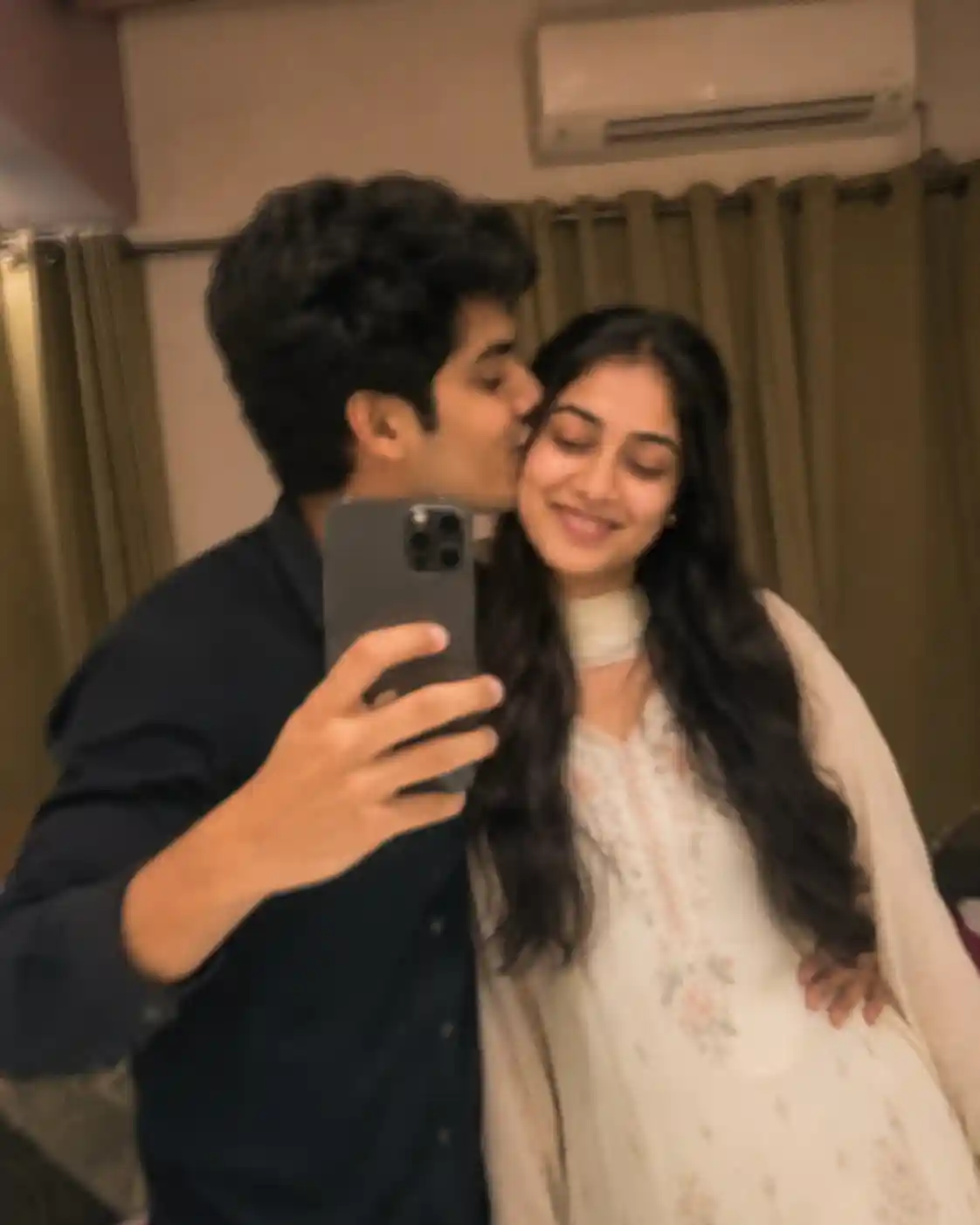
This blurry couple mirror selfie AI prompt is designed for creators who want to generate a romantic, emotional, and highly realistic couple photo that feels natural rather than overly staged. Many AI-generated couple images look too perfect, too sharp, or too artificial. This prompt solves that by focusing on a real-life mirror selfie mood, where the couple appears close, comfortable, affectionate, and slightly imperfect in the most beautiful way. The final result should feel like a private moment captured by accident, not a professional studio shoot. That is why this prompt is perfect for Instagram-style romantic edits, couple pages, aesthetic reels, personal AI portraits, and premium prompt collections on promptking.
The core idea of this prompt is simple but powerful: a young man and a young woman are standing close together indoors in front of a mirror. The man is holding a smartphone and taking the selfie. He is playfully kissing or gently biting the woman’s cheek while keeping one arm around her waist. The woman is smiling with her eyes closed and leaning into him naturally. This creates a soft romantic moment that feels genuine, warm, and emotionally relatable. The image is intentionally slightly blurry, as if it was taken quickly or accidentally during a happy moment. This small blur makes the image feel more authentic, because real mirror selfies are rarely perfectly sharp.
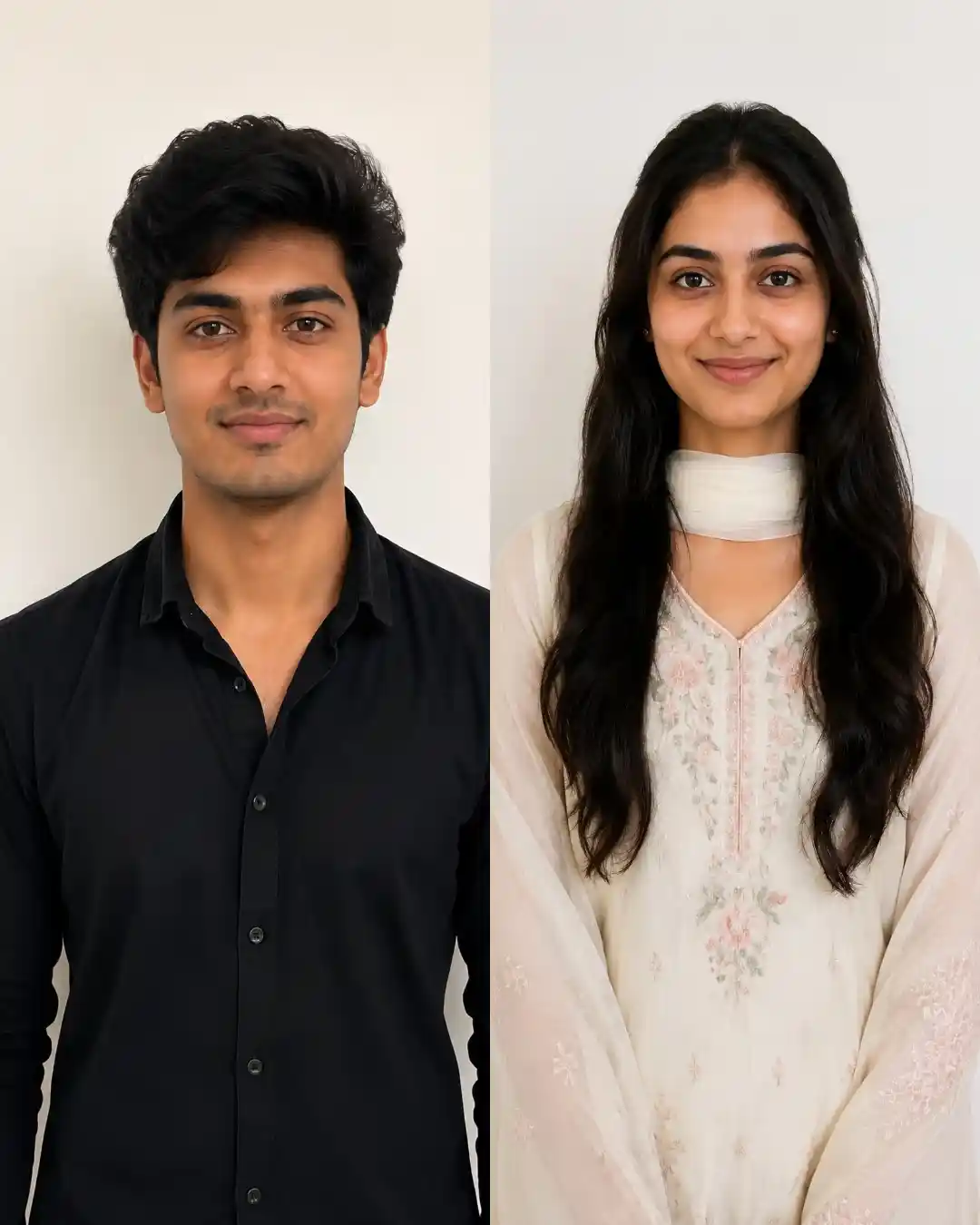
One of the most important features of this prompt is identity preservation. The prompt is written to use the uploaded reference photos as the only identity source. It tells the AI to preserve the male and female faces with high accuracy, including facial structure, skin tone, hairstyle, eye shape, lips, jawline, and natural appearance. This is important because users often want the final image to look like themselves or their loved ones, not like random AI-generated people. The prompt also includes instructions to keep the same outfit from the reference images, which helps the final image feel personal and believable. In this version, the man should keep his dark shirt, and the woman should keep her soft white traditional outfit with dupatta.
The romantic pose is written carefully so the image stays affectionate and tasteful. The man is not simply standing beside the woman; he is interacting with her in a playful and loving way. His gesture of kissing or lightly biting her cheek adds personality to the photo. The woman’s closed-eye smile shows comfort, happiness, and emotional trust. This detail is important because it gives the image a storytelling quality. Instead of looking like a generic couple portrait, the final image feels like a small memory from a real relationship. It gives the viewer the sense that the couple was laughing, moving, and enjoying a private indoor moment.
The mirror selfie composition also adds realism. A mirror selfie naturally includes the phone, hand placement, reflection, and imperfect framing. The prompt asks the man to hold the smartphone in his right hand while his left arm wraps around the woman’s waist. This gives the scene a believable selfie structure. The viewer should feel like they are looking at the phone camera through a mirror reflection. The hand, phone, and body angle should look natural. This is why the prompt includes instructions for realistic anatomy, proper hand placement, and believable mirror perspective. These details reduce common AI issues such as distorted hands, floating phones, unrealistic reflections, or mismatched body positions.
The background is also part of the emotional style. The prompt uses muted olive-green curtains and a white wall-mounted air conditioner near the ceiling. These simple indoor details make the image feel like a real room. It is not a luxury hotel, fantasy background, or random studio. It feels familiar and personal, which works well for a candid couple selfie. The muted olive-green curtains add warmth and softness to the frame, while the wall-mounted AC gives the image a realistic Indian indoor-room feel. These details help the final image look like an actual captured moment rather than a heavily designed AI render.
Lighting plays a major role in this prompt. The requested mood is warm indoor lighting with a cinematic aesthetic. Warm lighting makes skin tones feel soft and flattering without looking fake. It also creates a cozy romantic atmosphere. The light should not be harsh, overly bright, or studio-like. Instead, it should feel like normal indoor ambient light, possibly from ceiling lights or warm room lighting. The cinematic style should be subtle, not dramatic. This means soft shadows, gentle highlights, natural skin texture, and a warm tone across the room. The result should feel premium but still believable.
The blur effect is one of the most important parts of the prompt. The user specifically wants the image to look blurry, as if it was taken by accident. This does not mean the image should be unusable or completely out of focus. The best version is a soft accidental blur where the faces are still recognizable, the couple’s emotion is still clear, and the image has a natural handheld feel. This type of blur can make the final photo more emotional because it looks spontaneous. It gives the image a nostalgic, real-life quality. The prompt should avoid heavy blur that hides the faces, but it should also avoid over-sharpened DSLR perfection.
For AI image generation, the balance between blur and identity match is very important. If the image is too blurry, the faces may lose detail. If it is too sharp, the accidental selfie mood may disappear. That is why the negative prompt should not say “do not blur,” because slight blur is part of the desired style. Instead, the negative prompt should avoid “excessive blur,” “unrecognizable face,” and “low-quality face.” This helps the AI keep the image soft while still maintaining the identity of both people. The final image should look like a real accidental selfie, not a low-quality broken output.
This prompt is highly useful for creators who run AI prompt websites, Instagram prompt pages, couple edit pages, or AI photography collections. It has strong visual appeal because romantic couple content performs well on social platforms. People like prompts that can transform simple reference photos into emotional scenes. A prompt like this can be marketed as a premium identity-preserving couple prompt because it includes multiple valuable features: exact face match, same outfit preservation, romantic pose, mirror selfie realism, warm indoor lighting, and accidental blur. These features make it different from basic couple prompts.
From an SEO point of view, this prompt has strong keyword opportunities. People may search for terms like “couple mirror selfie AI prompt,” “romantic couple prompt,” “exact face match AI prompt,” “blurry selfie prompt,” “AI couple photo prompt,” and “candid romantic selfie prompt.” These keywords are natural and easy to include in a prompt page. The page can also target model-based keywords like ChatGPT prompt, Gemini prompt, and Nano Banana prompt. Adding the promptking brand keyword naturally in the content can help build topical authority for your prompt library website while keeping the writing human and readable.
The description should also explain how users can get the best result. For example, they should upload clear reference photos of both people. The male reference should show face and hairstyle clearly, and the female reference should show face, hair, outfit, and dupatta clearly. If the AI tool allows multiple references, users should upload both portraits separately. If the tool allows reference weighting, the identity reference should be given high priority. The prompt should also be used with a 4:5 vertical aspect ratio because that format works best for Instagram posts, Pinterest pins, and mobile-first social media content.
Another advantage of this prompt is that it works across many editing styles. It can be used for a soft romantic aesthetic, a cinematic couple edit, a candid indoor selfie, or a realistic “accidental photo” transformation. The prompt can also be slightly customized. For example, users can change the background from olive curtains to a bedroom, hotel room, dressing room, or apartment. They can change the clothing instructions if they want to preserve a different outfit. They can also make the image more blurry, more sharp, warmer, or more dramatic depending on their preference. But the main concept should stay the same: a romantic couple mirror selfie with natural emotion.
The scene should never feel fake or overly posed. The most successful result will have small imperfections, such as slight motion blur, soft focus, natural hand placement, and warm ambient lighting. These imperfections are what make the photo feel real. The phone should look like a normal smartphone, not a distorted object. The couple should appear physically close in a natural way. Their expressions should match the moment: the man affectionate and playful, the woman happy and relaxed. The woman’s eyes should be closed gently, not forced or strange. The man’s face may be partially side-facing due to the cheek kiss, but his identity should still remain recognizable.
For the final output, realism is the key. The image should not look like a painting, anime, CGI render, plastic-skin portrait, or overly edited fantasy scene. It should look like a real phone photo taken in a mirror. Skin texture should remain natural, hair should have believable strands, clothes should have real folds, and the room should have realistic shadows. The blur should be soft and photographic, not a digital smudge. The phone reflection should make sense, and the couple’s body proportions should stay accurate.
This prompt is especially valuable because it combines emotional storytelling with technical image-control instructions. Many prompts only describe the scene, but this prompt also tells the AI what to preserve and what to avoid. It includes identity consistency, outfit preservation, pose direction, background details, lighting mood, blur style, and negative prompt control. That makes it more reliable for users who want a specific result. On promptking, this type of prompt can be presented as a ready-to-use premium couple prompt for ChatGPT, Gemini, Nano Banana, and other modern AI image tools.
In simple words, this is a romantic AI photo prompt for creating a soft, blurry, real-looking couple selfie. It is made for users who want an image that feels personal, emotional, and visually aesthetic. The final image should look like a warm memory captured in a mirror: a young couple standing close, smiling, touching, and sharing a small affectionate moment. With the right reference photos and careful use of the prompt, users can generate a beautiful cinematic couple image that feels both premium and natural.
Tags
- couple prompt
- romantic prompt
- mirror selfie
- blurry selfie
- candid couple photo
- exact face match
- same outfit prompt
- photorealistic AI prompt
- indoor couple selfie
- ChatGPT prompt
- Gemini prompt
- Nano Banana prompt
- promptking
Frequently Asked Questions
- What does this prompt create?
- This prompt creates a candid romantic mirror selfie of a couple standing close together indoors with exact face match, same outfit preservation, and a natural accidental blur effect.
- Can I use this prompt with my own couple photos?
- Yes. Upload clear reference photos of both people and use them as identity references. The prompt is designed to preserve both faces, hairstyles, skin tones, and outfits.
- Why does the prompt ask for a blurry image?
- The slight blur creates a natural accidental selfie look. It makes the image feel more real, candid, and emotional instead of looking like a perfect studio photo.
- Will the faces still be recognizable?
- Yes. The prompt asks for soft accidental blur while still keeping both people recognizable. The negative prompt avoids excessive blur and unrecognizable faces.
- What aspect ratio is best?
- A 4:5 vertical portrait ratio is best because it works well for Instagram posts, Pinterest pins, and mobile-first AI image pages.
- Can I change the outfits?
- Yes, but the prompt is designed for same outfit preservation. For best results, keep outfit instructions close to the uploaded reference images.
- Is this prompt good for ChatGPT and Gemini?
- Yes. It can be used with ChatGPT Image, Gemini, Nano Banana, and other AI tools that support image reference or identity preservation.
- Can I make the image sharper?
- Yes. Remove or reduce the “accidental blur” instruction if you want a sharper mirror selfie. But for the intended aesthetic, keep the soft blur.
About This Prompt
This is a professionally engineered AI prompt from the PromptKing library, designed for use with ChatGPT such as ChatGPT, Midjourney, Google Gemini, and Claude. Copy this prompt instantly and use it to generate high-quality AI output. PromptKing offers a hand-tested library of free and premium AI prompts for creators, developers, and marketers.